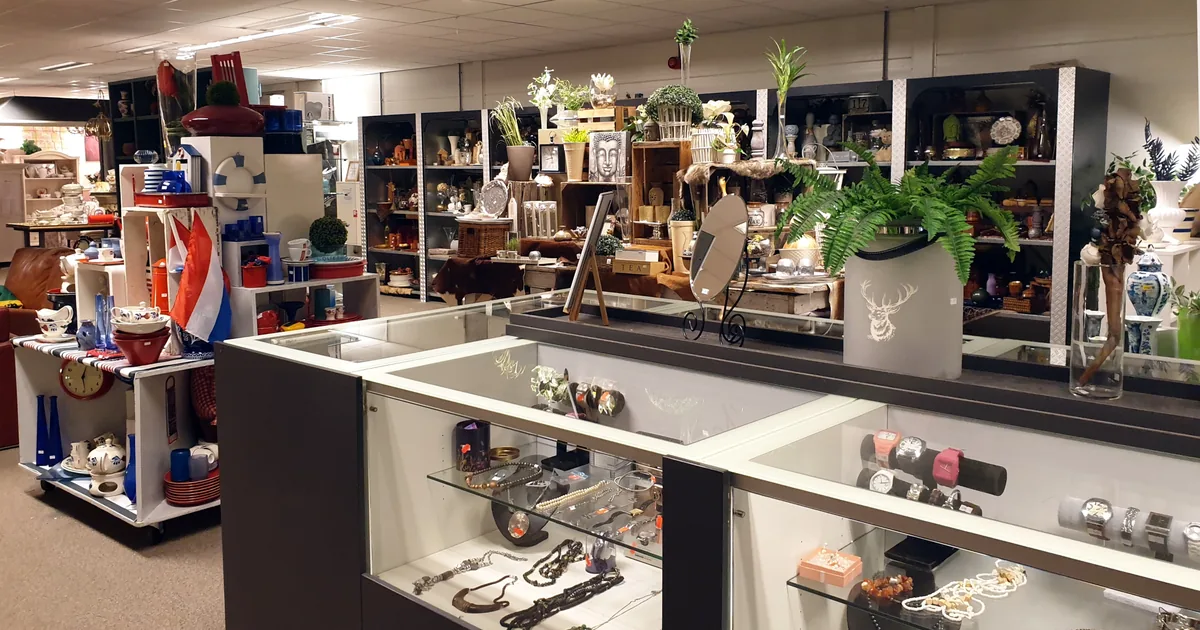
The main difference in an outlet vs thrift store is where the goods come from. A thrift store sells used, secondhand goods. An outlet sells goods for less than regular stores, and much of it is new. A liquidation store sells off stock that another business needs to clear quickly.
All three can cost less than a regular store, but each needs a different kind of check. Here are the five differences to know before you shop.
Outlet vs thrift store vs liquidation: the quick answer
Outlet
Thrift store
Liquidation store
Where goods usually come from
A brand, or extra stock from other sellers
Secondhand goods
Stock another business is clearing out
New or used?
Mostly new
Used
Mostly new, some opened or returned
Returns
Vary by store
Ask the store
At closing-down sales, often none
What to check
Items made only for the outlet
Wear, missing parts, recalls
Condition, and the real price
The rest of this guide explains each row.
Difference 1: Where the goods come from
Outlets. The word outlet is used for two kinds of shop. A brand outlet is run by one brand and sells its own goods for less. A bargain outlet is an independent shop that buys goods from many places and sells them cheaply.
Thrift stores. These sell used and secondhand goods. The U.S. Census Bureau counts stores that sell “used merchandise, antiques, and secondhand goods” as one kind of store [1]. The Consumer Product Safety Commission (CPSC) is the federal agency for product safety. It lists thrift stores, consignment stores and charities among the sellers its rules cover [2].
Liquidation stores. To liquidate means to sell off stock fast. The Federal Trade Commission (FTC) says that when a large store closes, it usually sells its goods to an outside company called a liquidator [3]. The liquidator then runs the sale [3]. Some liquidation stores also buy extra stock and returns from other sellers. Ask any store where an item came from.
Difference 2: New or used
When people compare an outlet vs thrift store, this is often the first question. Thrift stores sell used goods. Outlets and liquidation stores sell mostly new goods, but new can mean a few things:
Overstock: new items that a store or maker had too many of.
Shelf-pull: new items taken off a store shelf, sometimes with worn packaging.
Open-box: items whose box was opened, sometimes returned by a buyer.
Refurbished: used or returned items that were fixed and checked.
Closeout: the last of a product that is no longer being made.
Ask the staff which kind an item is. The answer tells you how closely to look at it.
Difference 3: Quality and what to check
At a brand outlet, the FTC warns that some goods are made only for outlets [4]. These may be lower quality than what regular stores sell [4]. One example it gives is a jacket that is not fully lined. Another is shoes made of man-made material instead of real leather [4]. Ask if an item was made for the outlet.
At a thrift store, the risk is wear and age. Look for damage, missing parts and bad smells. For anything for babies or children, look it up on the CPSC recall list. It is illegal to sell a recalled product [2].
At a liquidation store, opened and returned items need the closest look. For furniture, our guide on how to check used furniture before buying gives ten checks to do in the store.
Difference 4: Returns and final sale
Get this one right before you pay.
Outlets: The FTC says outlet return rules vary. Some take back unused items with the tag and receipt at any time. Others allow 30 to 90 days, and some take no returns at all [4]. Many regular stores will not take back items bought at their outlet [4].
Going-out-of-business sales: The FTC says liquidators running these sales generally do not take coupons or store credit [3]. They probably also have a “no refunds or returns” policy [3].
Thrift stores and other shops: Rules vary. Ask before you pay.
Wherever you shop, look the item over and read the return rule on your receipt before you leave.
Difference 5: Prices and discounts
A big percent-off tag is not proof of a deal.
At going-out-of-business sales, the FTC warns that liquidators may base discounts on the maker’s suggested price [3]. That price is often higher than what stores really charge. So some items can end up costing more than before the sale started [3].
At outlets, the FTC suggests checking the regular store’s price first. If you save only a few dollars, the regular store may be the better buy, especially if quality matters [4]. A quick price check on your phone works in any store.
Where Nedsdag’s fits
Nedsdag’s Bargain Outlet in Jacksonville is a bargain outlet. It sells new and used furniture, appliances, home goods, new mattress sets, toys, tools, lawn equipment and pallets of merchandise. Its supplier page says it takes new, overstock, shelf-pull and some refurbished goods from wholesalers and liquidators. It adds that “open-box and liquidation inventory is welcome.” So ask about any item that catches your eye: is it new, used or open-box?
Three things are good to know before you go:
Stock moves fast. New items arrive several times a week, and items generally cannot be held. It is first come, first served.
Sales are final. The store terms say: “All purchases are final unless otherwise stated in writing at the time of sale” (read the store terms). So look items over in person.
You can test before you buy. The store invites you to touch, test and look over every item in the store.
Which kind of store fits what you need?
There is no single winner in the outlet vs thrift store debate. Some general pointers:
Clothes, books and small items on a tight budget: a thrift store is often a good fit.
One brand you already like: a brand outlet can work, as long as you check whether the item was made for the outlet.
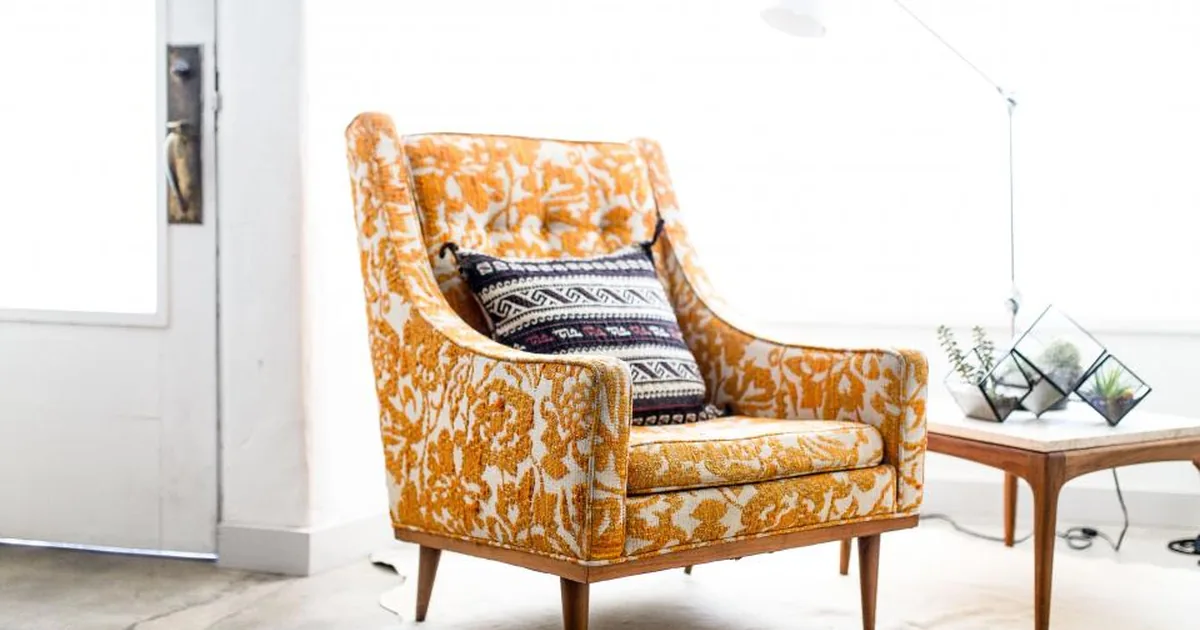
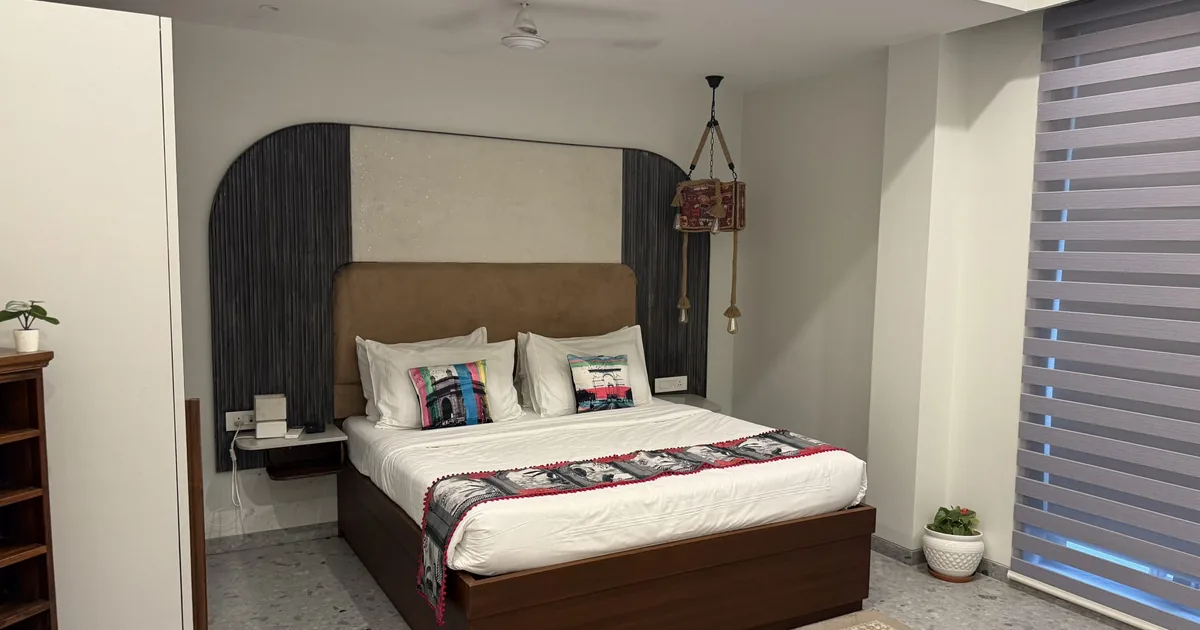
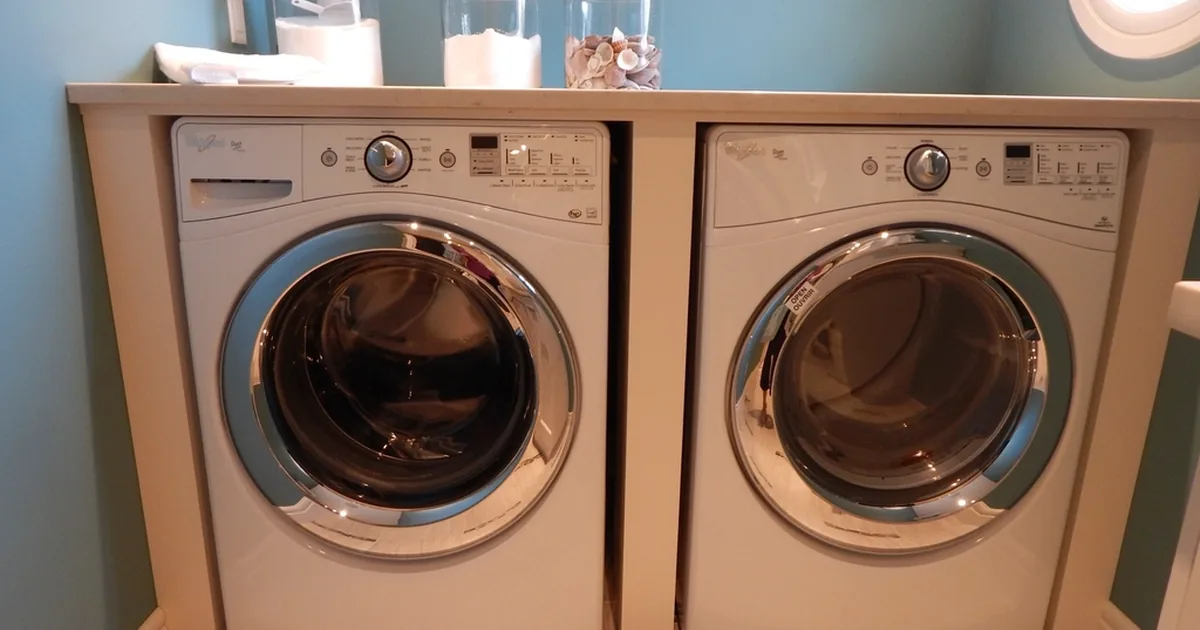
Bigger home items like furniture, mattresses and appliances: a bargain outlet gives you a wider choice, with new and used items side by side.
Mix and match. A thrift store for a lamp and a bargain outlet for a sofa is a perfectly good plan.
How Nedsdag’s can help
Furnishing a home on a budget? Visit Nedsdag’s in person at 3118 Edgewood Ave W, Unit 201, in Jacksonville’s Edgewood area. Bring your room sizes and a plan for getting large items home. You can also read why locals shop at a local bargain furniture store.
Frequently asked questions
Is a liquidation store the same as a thrift store?
No. A thrift store sells used goods. A liquidation store mostly sells new goods that another business needed to clear out, plus some opened or returned items.
Is an outlet or a thrift store cheaper?
It depends on the item. Used goods at a thrift store can cost less. A new item at an outlet may be in better shape. Compare the price, the condition and the return rule before you choose.
Are outlet items lower quality?
Some are. The FTC says some brands make items only for their outlets, and those may be lower quality than regular-store versions [4]. Ask the staff, and look closely at the material and stitching.
Explore affordable furniture, appliances, and home essentials in the Edgewood area. Discover budget-friendly deals, stylish home products, and everyday savings from trusted local stores near Jacksonville.
Discover why residents of Jacksonville and Edgewood choose local bargain furniture stores for affordable prices, quality home furnishings, unique deals, and personalized customer service.
Shop affordable furniture and mattress deals near Jacksonville at Nedsdags. Find quality sofas, beds, dining sets, and home essentials at budget-friendly prices.