To check used furniture before buying, test the frame for wobble and pull every drawer. Then look at the fabric and seams, smell it, and search for bed bugs. Last, look up the item for recalls.
It takes about ten minutes. At a bargain outlet that time matters, because most sales are final once you pay.
This guide shows you how to check used furniture with a short kit and ten steps in order. A table at the end shows which flaws are fine and which mean walk away.
What to bring when you check used furniture
You do not need special tools to check used furniture. Bring these five things:
A tape measure. Measure the piece, then compare it with your doorway, hall and the spot where it will go.
A phone flashlight. Store lights are bright from above. A flashlight shows what hides in seams, joints and the back of drawers.
An old plastic card. A gift card or hotel key card works. You will slide it into seams to look for bugs.
Your phone camera. Take photos of labels and model numbers so you can look them up.
Your room size, written down. It is the one people forget, and it saves a wasted trip.
10 checks to do in the store
Go in this order when you check used furniture. The first three steps tell you if the piece is worth a closer look at all.
1. Push on it and listen
Put both hands on the top and push it side to side. A good piece barely moves. If it sways, creaks or shifts, the frame or joints are loose. Sit on chairs and sofas the way you would at home, and shift your weight.
2. Look at the joints
Joints are the spots where two parts meet, like a leg and the seat. Look for cracks, gaps, extra nails or lots of glue. Those are signs of an old repair. One fixed joint is fine. Several fixed joints on one piece usually means more will fail.
3. Open every drawer and door
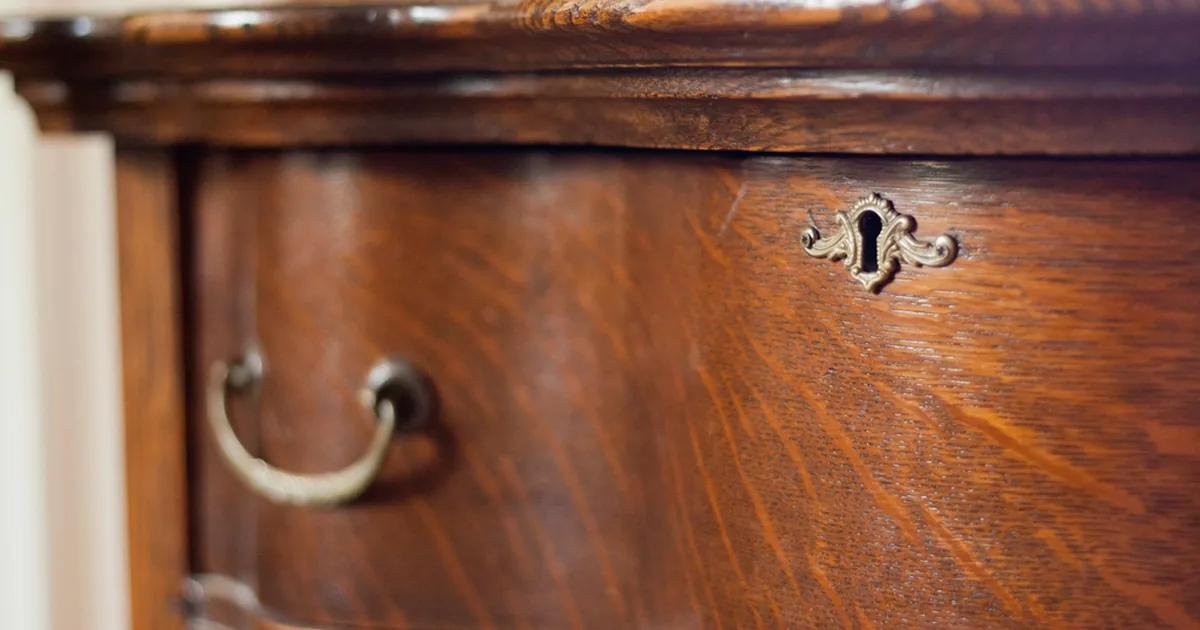
Pull each drawer all the way out and push it back. It should slide without sticking or dropping. Look inside the drawer box too.
Check that the doors close and stay closed. Count the knobs, shelves and pegs so you know nothing is missing.
4. Turn it over or look underneath
When you check used furniture, the back and the bottom show what the piece is made of. Solid wood looks the same on the edge as on the top. Particleboard (wood chips pressed and glued together) looks grainy and rough, often under a thin printed layer. Particleboard pieces can be a good buy, but they do not like water and they loosen faster when moved.
5. Check the fabric and cushions
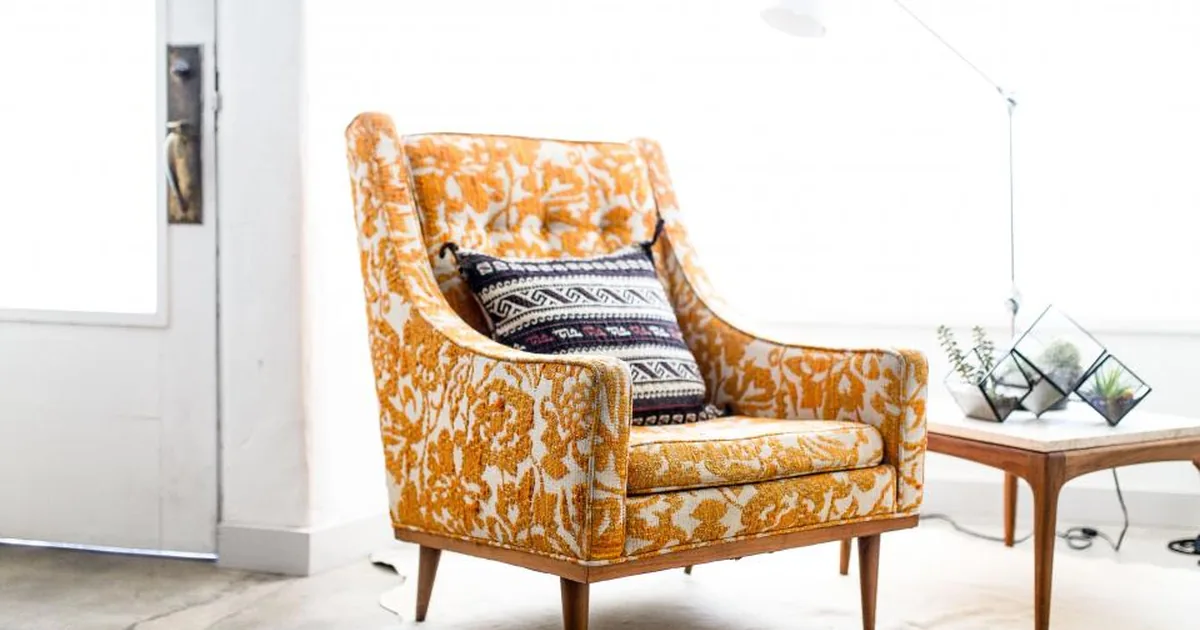
Press the cushions. They should spring back. Look for rips, worn spots and stains. Unzip a cushion cover if you can and look at the foam. Lumpy or crumbly foam means the cushions will need replacing soon.
6. Smell it, inside and out
A smell test is one of the fastest ways to check used furniture. Put your nose close to the fabric and open the drawers. A musty smell can mean mold or old water damage. Smoke and pet smells can be very hard to remove from fabric.
Check for dark spots, warped wood or a white powder look on the bottom. Those can point to water damage.
7. Look for bed bugs
Get out the flashlight and the card for this one. The EPA says bed bugs hide in couch and chair seams, between cushions, and in the joints of drawers [1]. They can even hide in the head of a screw. The EPA gives a simple test: “If a crack will hold a credit card, it could hide a bed bug” [1].
These are the signs to spot [1]:
rusty or reddish stains on mattresses or bedding
small dark spots, about the size of a dot from a pen
tiny pale eggs or shells, about 1 mm long
live bugs
Other insects can look like bed bugs, so you may not know for sure [1]. Even so, if you see any of these signs, pass on the piece.
8. Be careful with old painted pieces
Very old painted furniture may have lead paint. The CPSC, the federal agency for product safety, announced a ban on lead paint for furniture in 1977 [5]. It applied to pieces made after it took effect, 180 days later, in early 1978 [5]. So a painted piece made before 1978 could still have lead paint.
If an old piece has chipped or peeling paint and you have young children, skip it or have it tested first.
9. Check dressers for tip-over risk
A dresser that tips over can badly hurt a small child. A federal rule covers most free-standing dressers and chests at least 27 inches tall that weigh at least 30 pounds. They must pass tests to show they will not tip easily, and they must come with an anti-tip kit [2].
An anti-tip kit is a strap or bracket that ties the dresser to the wall. A used dresser may be older than that rule, or its kit may be gone. Ask, and plan to buy a kit if it has none.
10. Look it up for recalls
This one takes two minutes. Find the brand and model number on a label under the seat, on the back or inside a drawer. Take a photo, then search it on the CPSC recall list[3].
Under federal law it is illegal to sell a recalled product [3]. The CPSC also tells resellers not to sell baby furniture, like cribs, that has missing parts [3]. Be extra careful with these.
Flaws that are fine and flaws that mean walk away
When the price is low, a scuff is no big deal. Some problems, though, cost more to fix than the piece is worth. Use this table when you check used furniture in the store.
What you see
Fine for a bargain?
Why
Light scratches or scuffs
Yes
Easy to cover with polish or a marker
Loose knob or handle
Yes
A screwdriver or new knob fixes it
Drawer that sticks a little
Usually
Wax on the rails it slides on often helps
One old repaired joint
Usually
Fine if it holds when you push
Wobble in the whole frame
No
The frame is failing
Musty smell or water stains
No
May be mold or water damage
Any sign of bed bugs
No
Hard and costly to get rid of
Peeling paint on an old piece
Not with small kids
May contain lead
Recalled model
No
Can be a real danger
Why checking matters more at an outlet
At a bargain outlet, the low price comes with a trade: sales are usually final. Nedsdag’s terms say: “All purchases are final unless otherwise stated in writing at the time of sale”. You are also responsible for loading and moving what you pick up (see the store terms). Pickup is due within 7 days of buying unless agreed otherwise.
The stock also moves fast. Nedsdag’s says new items arrive several times a week and items generally cannot be held, so it is first come, first served. So do your checks the first time you see a piece you like, with your tape measure and flashlight in hand. It may be gone tomorrow.
After you get it home
Even after you check used furniture in the store, give it a wipe down and vacuum all the seams before you use it. Then keep it dry. The EPA suggests keeping indoor humidity below 60 percent, and ideally between 30 and 50 percent [4]. That matters in a humid place like Jacksonville.
If something spills on fabric or wood, dry it within 24 to 48 hours. In most cases mold will not grow if things dry that fast [4].
How Nedsdag’s can help
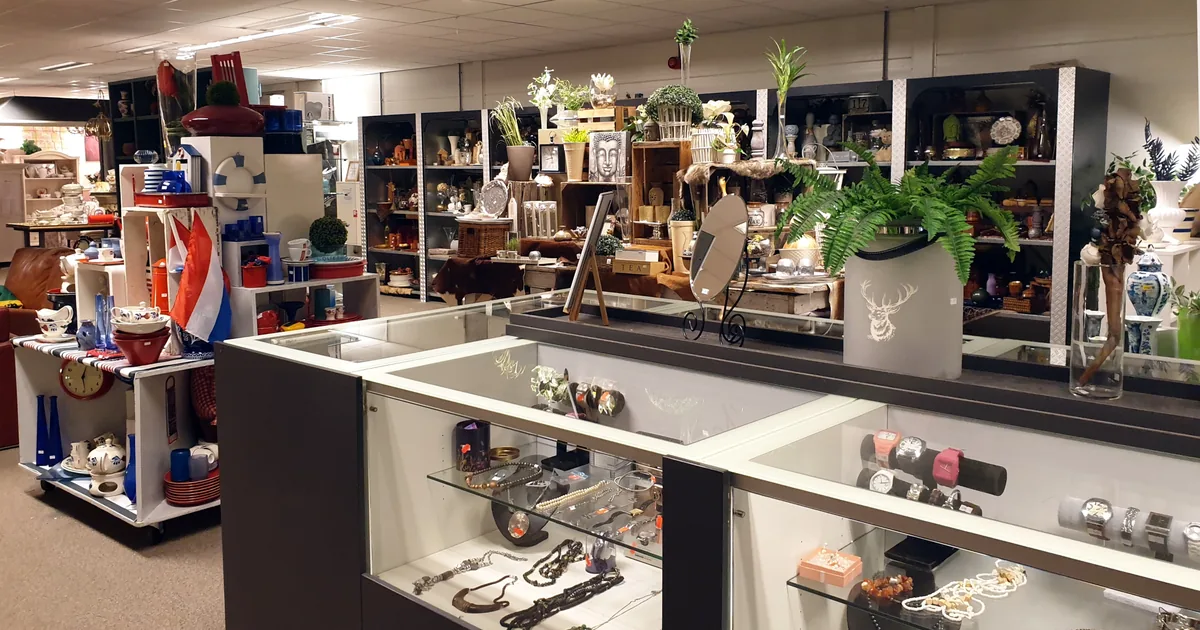
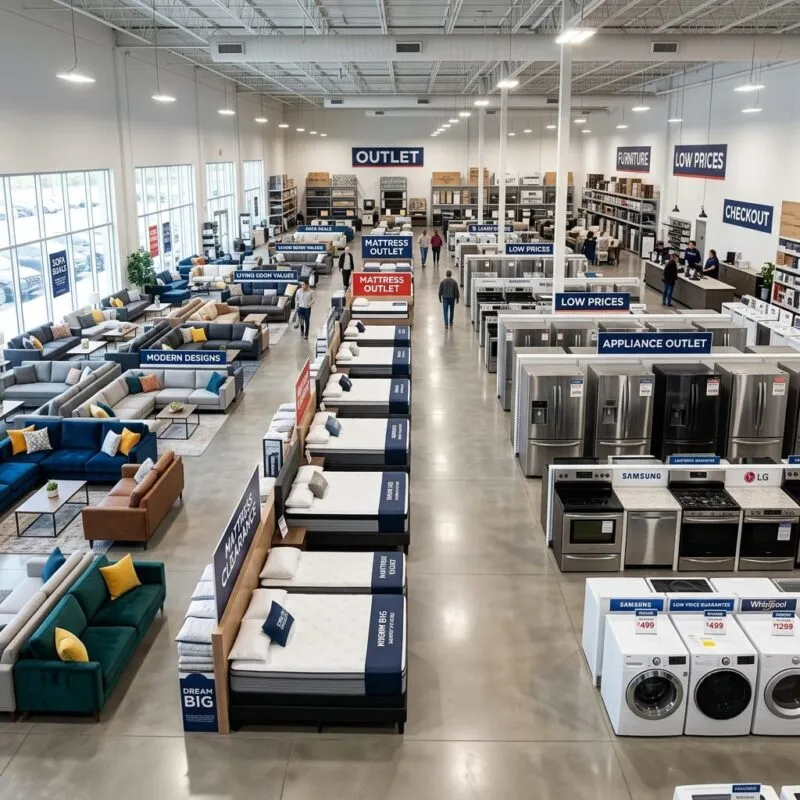
Nedsdag’s Bargain Outlet sells new and used furniture, mattresses and appliances in the Edgewood area of Jacksonville. The store invites you to touch, test and look over every item in person before you buy. You can plan a visit to the store at 3118 Edgewood Ave W, Unit 201. If you have a question about a piece before you come in, send the team a message or call 904-677-4172. You can also read why locals shop at a local bargain furniture store.
Frequently asked questions
How long does it take to check used furniture?
To check used furniture well takes about five to ten minutes per piece. Most of that time goes into opening drawers, looking at seams with a light and finding the model label. A sofa takes a little longer because of the cushions.
Is used furniture worth buying?
Often, yes. Run through the ten steps above first. If the frame is strong and there are no signs of pests, mold or recalls, it can be a good buy. Scratches and loose knobs are cheap to fix. A wobbly frame or a musty smell usually is not.
Should I buy a used crib or baby furniture?
Be very careful. The CPSC tells resellers not to sell baby furniture, like cribs, that has missing parts, even if it was never recalled [3]. Check the model on the recall list and make sure every part is there.
Explore affordable furniture, appliances, and home essentials in the Edgewood area. Discover budget-friendly deals, stylish home products, and everyday savings from trusted local stores near Jacksonville.
Discover why residents of Jacksonville and Edgewood choose local bargain furniture stores for affordable prices, quality home furnishings, unique deals, and personalized customer service.
Shop affordable furniture and mattress deals near Jacksonville at Nedsdags. Find quality sofas, beds, dining sets, and home essentials at budget-friendly prices.