Holiday toy safety comes down to a few quick checks at the store. Read the age label and keep small parts away from kids under 3. Keep magnets, button batteries and balloons away from young children too. Then look the toy up for recalls before you wrap it.
These checks matter. The U.S. Consumer Product Safety Commission (CPSC) is the federal agency for product safety. It says that in 2023 about 154,700 children age 12 and under went to emergency rooms with toy-related injuries [1]. Ten children died [1].
The 9 holiday toy safety checks
1. Read the age label, and believe it
The age label is the first holiday toy safety check. Every toy should show an age range. Pick toys that match the child’s age, interests and abilities, and follow the age guidance on the package, as the CPSC advises [1][2]. The age label is not about how smart a child is. It is about what the toy could do to a child that age.
2. Think about the younger kids in the house
A toy that is fine for a 9-year-old can still hurt a toddler sister or brother. Think about the ages of every child in the home. Small parts, flying parts and sharp edges can harm younger siblings [2].
3. Keep small parts away from children under 3
Most toy injuries and deaths are linked to choking on small parts, the CPSC says [2]. Children under 3 should not have small balls or any toy with small parts [1][2]. Older kids still need watching too. Deaths have happened with small balls, the CPSC notes [2].
A good rule at the store: could a piece come off and fit in a toddler’s mouth? Then it is not a toddler toy.
4. Keep magnets and button batteries out of reach
These two are on the CPSC’s list because children can swallow them, by accident or on purpose [2].
High-powered magnets are a special risk. When a child swallows two or more, they can pull toward each other inside the body [3]. Many of these cases have needed surgery [3]. If you think a child has swallowed magnets, get medical help right away [3].
Button batteries are small, round, flat batteries, often used in light-up and musical toys. Before you buy, check that the battery cover closes firmly and cannot be pried open by little fingers.
5. No balloons for children under 8
Keep balloons away from children younger than 8, especially latex balloons, because they can cause choking [2]. That includes deflated or broken balloons left over after a party [1].
6. Buy the helmet with the scooter
Non-motorized scooters caused more toy-related injuries in 2023 than any other toy, about 53,000 across all ages [1]. Riders need a helmet and other gear, worn on every ride, according to the CPSC [1]. A helmet should be sized to fit [2].
If a scooter, bike or ride-on toy is on the list, budget for the helmet at the same time.
7. Read the warnings on the box
Take note of the safety warnings and labels [2]. When you shop online, look for a choking warning on toys with small parts, such as balls, marbles and balloons [2]. It also helps to look for a mark from an independent testing group and the maker’s label [2].
8. Check for recalls, new or used
Before you buy a new or used toy, make sure it has not been banned or recalled [2]. You can search at cpsc.gov/recalls or use the free CPSC Recalls app [2]. Federal law says no one may sell a product that is under a recall [2].
After you buy, register the toy with the maker if you can. Then you will hear about any recall directly [2].
9. Clean up the wrapping right away
Once gifts are open, throw away the plastic wrap and packaging straight away [1]. Thin plastic bags can suffocate small children [2]. A trash bag handy during gift opening makes this easy.
What the injury numbers tell you
The CPSC’s latest toy report shows where holiday toy safety matters most [1]:
What happened
What it means for gift buyers
About 154,700 ER visits for children 12 and under in 2023
Toy injuries are common, so the checks are worth doing
Scooters were linked to about 53,000 injuries
Buy a helmet with any scooter
Most toy deaths involved choking on small balls or crayons, drowning with pool floats, getting trapped in a toy chest, or swallowing water beads
Watch small parts, water toys and anything a child can climb into
Swallowing and internal injuries were among the most common for children under 5
Keep magnets, batteries and small parts away from little ones
Buying toys at a bargain store or secondhand
Discount and secondhand stores can be a great way to stretch a holiday budget. Holiday toy safety applies to bargain buys too, so do the recall check every time. The CPSC tells shoppers to check for recalls before buying any new or used toy [2].
Fakes are another worry. The CPSC suggests a close look at the toy, its box and its label. A price that looks far too low can be a sign of a copy that may not meet safety rules [2].
If a toy seems dangerous or breaks in a risky way, stop using it right away. Put it somewhere children cannot reach, and report it at SaferProducts.gov [2]. That helps protect other children too.
If you think a child has swallowed magnets or a battery, get medical help immediately [3].
How Nedsdag’s can help
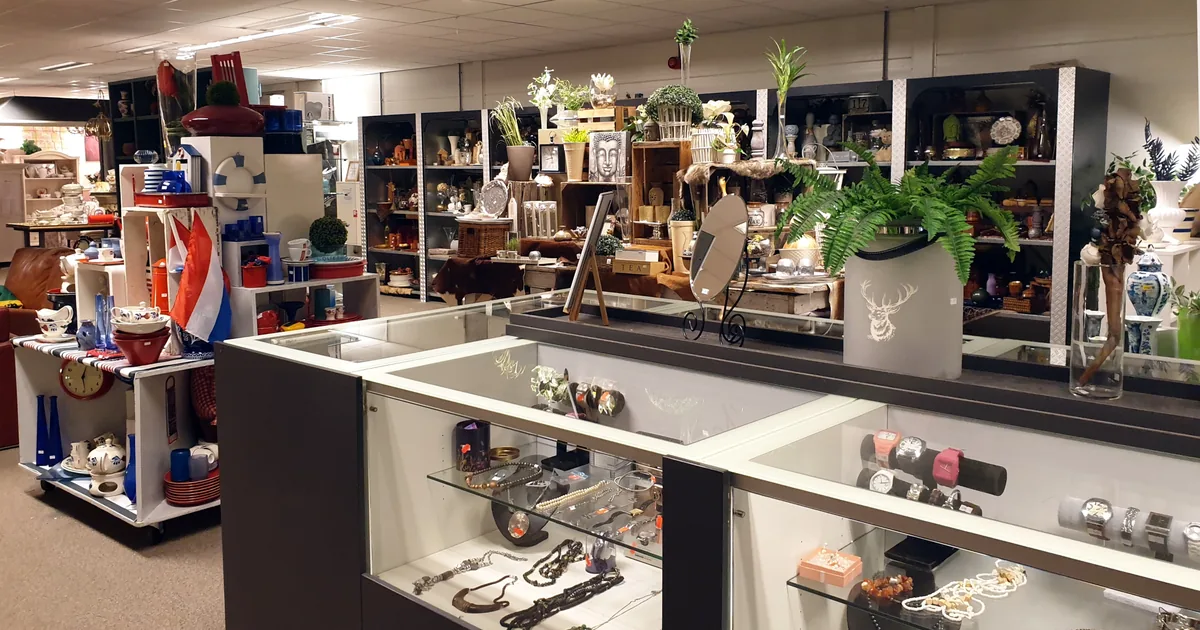
Nedsdag’s Bargain Outlet in Jacksonville carries toys along with furniture, appliances and home goods. You can shop for gifts and household needs in one trip. Stock changes several times a week, so the toys on the floor today may be gone next week. Visit the store at 3118 Edgewood Ave W, Unit 201, and look over each toy in person using the holiday toy safety checks above. Nedsdag’s also runs holiday giveaways for families as part of its community programs.
Frequently asked questions
What is the most important holiday toy safety rule?
Follow the age label. It sorts out most of the big risks, like small parts for children under 3 [1][2].
Are magnets in toys dangerous?
High-powered magnets can be very dangerous if a child swallows two or more, because they can pull together inside the body. Many cases need surgery [3]. Keep them away from young children and get medical help right away if you think one was swallowed.
How do I check if a toy has been recalled?
Search the toy’s name or brand at cpsc.gov/recalls, or use the free CPSC Recalls app [2]. Do this for new and used toys alike.
Explore affordable furniture, appliances, and home essentials in the Edgewood area. Discover budget-friendly deals, stylish home products, and everyday savings from trusted local stores near Jacksonville.
Discover why residents of Jacksonville and Edgewood choose local bargain furniture stores for affordable prices, quality home furnishings, unique deals, and personalized customer service.
Shop affordable furniture and mattress deals near Jacksonville at Nedsdags. Find quality sofas, beds, dining sets, and home essentials at budget-friendly prices.