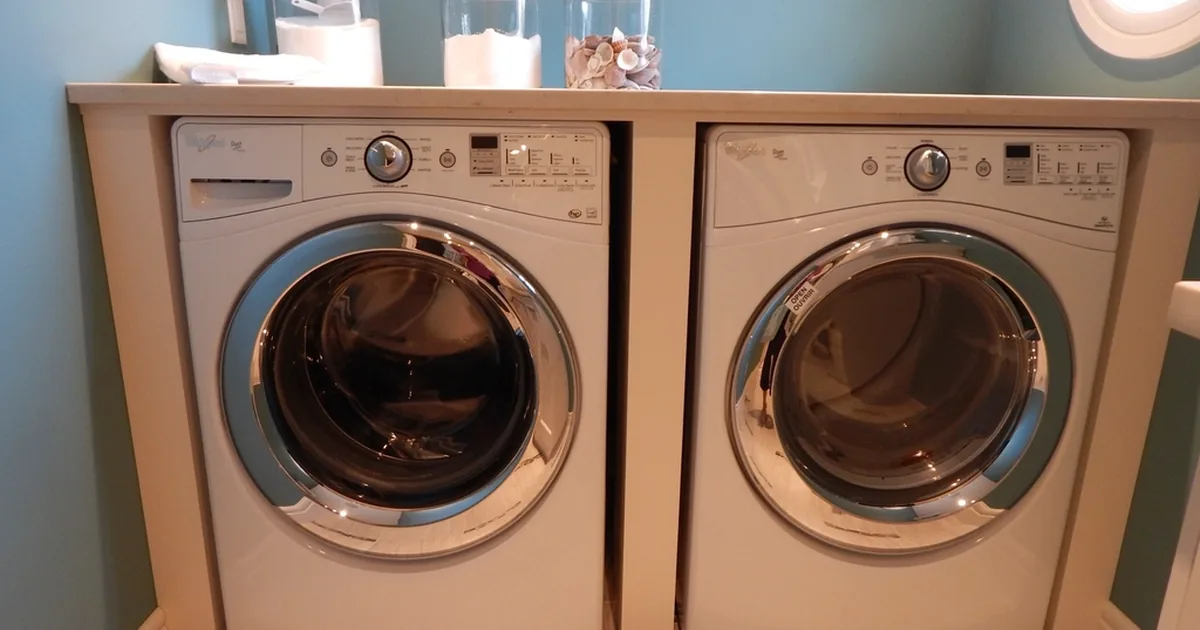
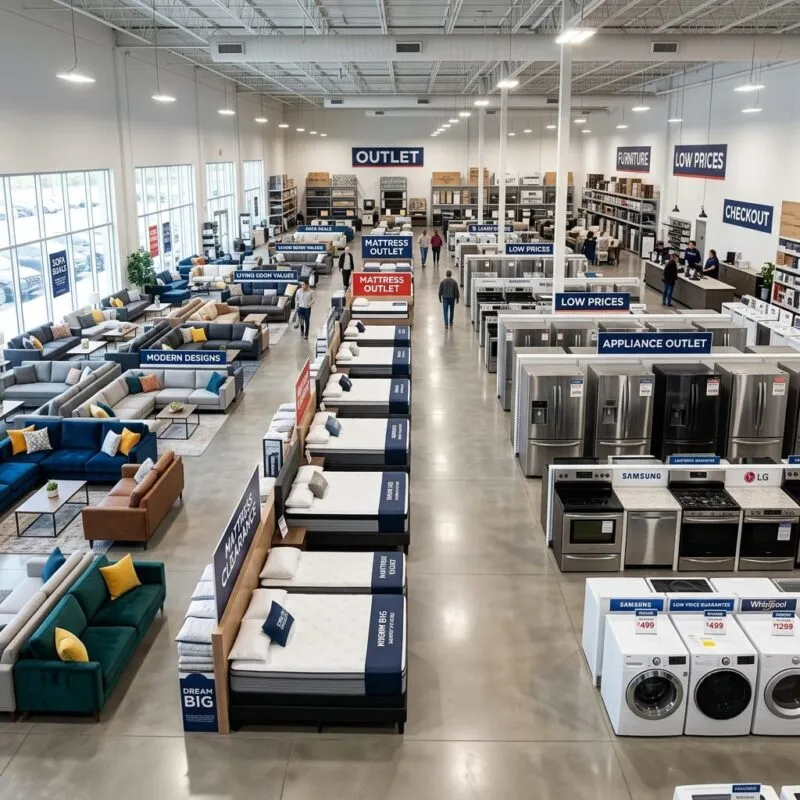
Before buying a used washer and dryer, rock the washer drum, look at the door seal and hoses, and watch it fill, spin and drain. Then make sure the dryer heats, has its lint filter, and has a clean, open vent path. Last, find the model number on the label and look it up for age and recalls.
Checking a used washer and dryer does not take long, and it can save you from a costly mistake. Below are 12 checks in order, a table of red flags, and what to do once the machines are home.
Before you go: three things to know
Your hookups. Look behind your current machines. A dryer runs on gas or on electric power, and each needs a different hookup. Pick a used washer and dryer that match the hookups you have. If you are not sure, take a photo of the hookups and bring it with you.
Your space. Measure the width, depth and height of the spot, and the doors and halls on the way in. A used washer and dryer also need a little room behind them for hoses and the dryer vent.
What to bring. A phone flashlight, a tape measure and a small towel. The towel is for wiping the door seal and the floor under the washer so you can see leaks and dirt.
How to check a used washer
1. Walk around the outside
Start with the bottom edges and the floor under the machine. Rust along the bottom of the outer case can mean water has leaked for a long time. Small dents and scratches on the sides do not matter much. They will sit against a wall.
2. Rock the drum
Open the lid or door and push the drum (the tub that spins) up and down and side to side with your hand. It should feel firm with a little give. A loud clunk, or a drum that moves a lot, points to worn parts inside. Pass on that one.
3. Look at the door seal
On a front-load washer, the rubber ring around the door is the seal. Pull back the folds with your fingers and use your flashlight. A bit of dirt wipes off. Black mold, tears or a sour smell are signs it was not cared for. A torn seal will leak.
4. Check the hoses and power cord
The hoses carry water in and out. Look for cracks, bulges or wet spots near the ends. Hoses are cheap to replace, so plan to put on new ones if they look old. Check the power cord for cuts or burn marks. A damaged cord is a reason to walk away.
5. Try every button and dial
Turn the dial through each setting and press each button. Lights and screens should all work. A control panel with dead spots can be costly to fix.
6. Run a short cycle
This is the test that matters most. Ask if the store can run a rinse and spin with water hooked up. Watch three things: it fills, it spins up to full speed without shaking across the floor, and it drains all the water. Listen for grinding or banging during the spin.
How to check a used dryer
7. Make sure the lint filter is there
Pull out the lint filter (the screen that catches fluff). It must be there and not torn.
The U.S. Fire Administration says never to use a dryer without a lint filter [1]. Shine your flashlight into the slot it came from. A thick build-up of lint inside means the dryer was not cleaned well.
8. Check that it heats
Spinning is not enough. The dryer has to get hot. Run it on a heat setting for a few minutes and put your hand inside. It needs to feel warm.
Also listen as the drum turns. The sound should be smooth and fairly quiet, with no squeal or thump.
9. Look at the back
The back of a dryer is where lint hides, and the USFA tells owners to clean it [1]. Find the vent opening, where the dryer hose (duct) connects. If the old hose came with the dryer, check that it is not crushed or torn. The USFA says you are at higher risk of a dryer fire if you do not clean the lint filter and vents [1]. It also says to check that the vent is not damaged, crushed or blocked [1].
10. Test the door
Open the door while the dryer is running. The drum needs to stop right away. Close it and press start again. If it keeps going with the door open, or will not start with it closed, the door switch is broken. That is the small button that tells the dryer the door is shut.
Checks for both machines
11. Find the age on the label
The label is usually inside the door, on the back or under the lid. It shows the model number and the serial number (the machine’s own ID number). Take a photo. You can often find the year it was made by searching the model and serial number online.
Age matters for your bills. ENERGY STAR is a government program that certifies energy-saving products. It says most of its certified washers use four times less energy than washers made before 1999 [3]. A full-size certified washer uses about 14 gallons of water per load, compared with 20 gallons for a standard one [2]. If a used washer has the ENERGY STAR label, that is a good sign for your water and power bills.
12. Look it up for recalls
Search the brand and model on the CPSC recall list. The CPSC is the federal agency for product safety. Under federal law it is illegal to sell a recalled product [4].
Red flags that mean walk away
Use this table while you look at a used washer and dryer. Dents and scratches are fine. Leaks, burn marks or a missing lint filter are not.
What you see
Walk away?
Why
Scratches or dents on the sides
No
Looks only, no effect on how it works
Old or worn hoses
No
Cheap to replace
Dirt in the door seal that wipes off
No
Normal use
Rust starting at the bottom
Yes
Long-term leak
Drum clunks or moves a lot
Yes
Worn parts inside
Will not drain or spin up
Yes
Pump or motor problem
Dryer spins but does not heat
Maybe
Ask what is wrong and get it in writing
No lint filter, or a burnt smell
Yes
Fire risk
Cut or melted power cord
Yes
Shock and fire risk
Model is recalled and not repaired
Yes
Illegal to sell
Buying at an outlet: warranty and delivery
At Nedsdag’s, the store terms say: “Most appliances are covered under a 30-day limited warranty through the supplier or store” (read the full terms). A limited warranty covers some problems, not all. In the store’s words: “Warranty does not cover misuse, cosmetic damage, water damage, or improper installation”. Ask what your machine’s warranty covers and keep your receipt.
The same terms say all purchases are final unless something else is put in writing at the time of sale. So check your used washer and dryer in the store, before you pay. Delivery is worked out case by case. Fees are quoted separately, and deliveries are to the curb unless you arrange more. If you bring your own truck, you load and move the machines yourself.
After the machines are home
The USFA has a short list for dryers [1]:
Have the dryer installed and serviced by a professional.
Empty the lint filter every time, both before and after a load.
Clean behind the dryer, where lint builds up.
Check that the vent behind it is not damaged, crushed or blocked.
Make sure the outside vent flap opens when the dryer runs.
Once your used washer and dryer are hooked up, run one empty wash cycle and check the floor for drips. If anything leaks, stop and call the store right away. If your machine has a warranty, it may only last 30 days.
How Nedsdag’s can help
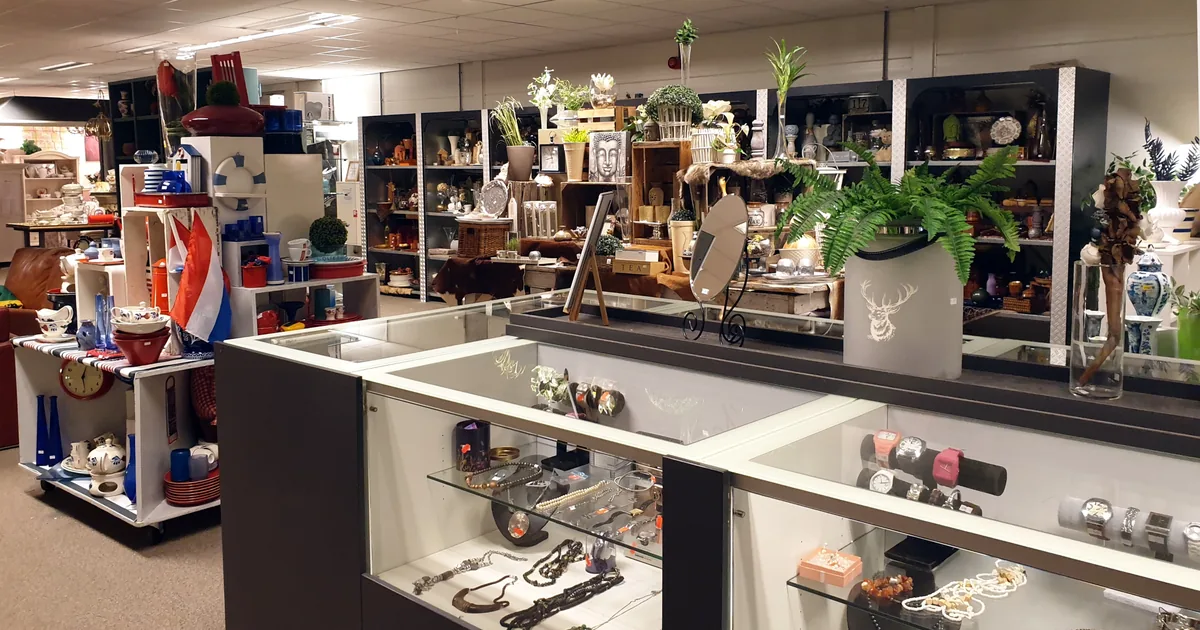
Nedsdag’s Bargain Outlet in Jacksonville sells new and used appliances, along with furniture and mattresses. Stock changes several times a week, so the machines on the floor today may be gone next week. Visit the store at 3118 Edgewood Ave W, Unit 201 to see each used washer and dryer in person. You can also send a message and ask what is in stock. Financing is available on most products in the store through outside partners, and you can read about the financing options before you come in.
Frequently asked questions
Is a used washer and dryer worth buying?
Often, yes, if both pass the checks above and the price is fair. Look for machines with no leaks, a firm drum, a working heater and a clean lint area. A newer used pair also costs less to run than a very old one.
Do the washer and dryer need to be a matched set?
It is not required. A matched set looks neat and stacks or lines up well, but a washer and dryer from different brands work fine together. What matters is that each one passes its own checks and fits your hookups.
What is the most important test?
For a washer, a short cycle that fills, spins and drains. For a dryer, checking that it gets warm and has a clean lint filter in place.
Explore affordable furniture, appliances, and home essentials in the Edgewood area. Discover budget-friendly deals, stylish home products, and everyday savings from trusted local stores near Jacksonville.
Discover why residents of Jacksonville and Edgewood choose local bargain furniture stores for affordable prices, quality home furnishings, unique deals, and personalized customer service.
Shop affordable furniture and mattress deals near Jacksonville at Nedsdags. Find quality sofas, beds, dining sets, and home essentials at budget-friendly prices.